
When buying compact equipment, one of the biggest questions is simple: Should you buy a skid steer or a compact track loader?
Both machines look similar. Both can lift, push, grade, dig, carry materials, and run many attachments. But the biggest difference is underneath the machine: a skid steer uses wheels, while a compact track loader uses rubber tracks. That one difference changes how the machine performs on different jobsites. Bobcat also highlights this as the main physical difference between the two loader types.
In 2026, compact equipment buyers are looking for machines that are versatile, easy to transport, attachment-ready, and productive in tight spaces. Compact Equipment reports that the 2026 loader market is expanding across different size classes, from smaller machines to large “super” skid steers and compact track loaders exceeding 100 horsepower.
So which one should you buy?
Quick Answer
Buy a skid steer if you mostly work on:
Concrete
Asphalt
Hard-packed dirt
Gravel
Farms
Warehouses
Landscaping yards
Flat construction sites
Jobs that need faster travel speed and lower operating cost
Buy a compact track loader if you mostly work on:
Mud
Sand
Loose soil
Wet ground
Slopes
Soft landscaping areas
Uneven terrain
Rough construction sites
Jobs that need more traction and flotation
In simple words: skid steers are better on hard ground, while compact track loaders are better on soft or rough ground. Bobcat’s buyer guide also explains that skid steers generally perform best on hard, stable ground, while compact track loaders perform better on soft, rough, or slippery ground.
What Is a Skid Steer?
A skid steer loader is a compact machine with four wheels. It is known for its tight turning, fast movement, and strong attachment versatility. Because of its compact size, it works well in small jobsites, tight spaces, farms, construction yards, landscaping projects, and material handling areas.
Skid steers are popular because they can use many attachments, such as:
Buckets
Pallet forks
Augers
Trenchers
Grapples
Brush cutters
Sweepers
Snow pushers
Hydraulic breakers
A skid steer is a strong choice when you need one machine that can handle many jobs without taking up too much space.
What Is a Compact Track Loader?
A compact track loader, also called a CTL, is similar to a skid steer, but instead of wheels, it uses rubber tracks. These tracks spread the machine’s weight over a larger surface area. That gives the machine better traction, better flotation, and more stability on soft or uneven ground.
Compact track loaders are commonly used for:
Muddy construction sites
Land clearing
Grading
Dirt work
Sloped terrain
Soft landscaping areas
Site preparation
Heavy material pushing
Because of the track system, a compact track loader can keep working in ground conditions where a wheeled skid steer may lose traction or get stuck.
Main Difference: Wheels vs Tracks
The biggest difference between a skid steer and a compact track loader is the undercarriage.
A skid steer uses tires. Tires are usually better for hard surfaces because they allow faster movement, tighter turning, and lower maintenance cost.
A compact track loader uses rubber tracks. Tracks are better for soft, wet, loose, or uneven ground because they spread the machine’s weight and improve traction.
Bobcat explains that compact track loaders offer superior traction on soft, sandy, muddy, or uneven terrain, while skid steers are more suitable for concrete, asphalt, snow, and hard surfaces where speed and maneuverability matter.
Skid Steer Advantages
1Better on Hard Surfaces
If most of your work happens on concrete, asphalt, gravel, or hard-packed dirt, a skid steer is usually the better option. Tires move well on hard ground and can handle frequent turning without the same undercarriage wear that tracks may experience on abrasive surfaces.
This makes skid steers a strong fit for:
Warehouses
Paved yards
Construction cleanup
Roadside work
Farmyards
Parking lots
Landscaping supply yards
2Faster Travel Speed
Skid steers are usually faster than compact track loaders on hard ground. This matters when your machine needs to move back and forth many times during the day.
For example, if you are loading material from one side of a yard to another, moving pallets, cleaning up debris, or working across a paved area, a skid steer can often complete the job faster.
3Lower Operating Cost
Skid steers are often cheaper to operate because tires are usually less expensive to replace than tracks. A skid steer also has a simpler undercarriage compared with a compact track loader, which can reduce maintenance time and ownership cost.
Bobcat’s soft-ground buyer guide also notes that on firm, dry ground, a wheeled skid steer is faster, cheaper to run, and simpler to transport between sites.
4Easy to Transport
Because skid steers are often lighter than compact track loaders in the same size class, they can be easier to haul. This is important for contractors who move machines between jobsites frequently.
5Great Attachment Versatility
A skid steer can become many different machines depending on the attachment. With the right attachment, one skid steer can be used for digging, grading, lifting, sweeping, trenching, drilling, material handling, and cleanup.
Compact Track Loader Advantages
1Better Traction
The biggest advantage of a compact track loader is traction. Tracks grip the ground better than tires in mud, loose dirt, sand, and rough terrain.
This makes CTLs useful for:
Wet jobsites
Soft soil
Uneven ground
Slope work
Land clearing
Heavy grading
Dirt moving
2Better Flotation
Flotation means the machine can spread its weight across the ground instead of sinking into it. Because tracks have more contact with the ground, a compact track loader is less likely to sink into soft surfaces.
This is why CTLs are often preferred for landscaping, dirt work, and muddy construction sites.
3More Stability on Rough Ground
Tracks help keep the machine more stable on uneven terrain. This can improve operator confidence when carrying loads, grading, or working on loose surfaces.
4Strong Pushing Power
Because of the larger ground contact area, compact track loaders often deliver strong pushing performance. This is helpful for grading, dozing, land clearing, and moving heavy piles of material.
5Better for Difficult Weather Conditions
If your jobsite often gets muddy after rain, a compact track loader may keep working when a skid steer struggles. That can reduce downtime and help keep projects moving.
Head-to-Head Comparison
Category Skid Steer Compact Track Loader
Undercarriage Wheels Rubber tracks
Best surface Concrete, asphalt, hard dirt, gravel Mud, sand, soft soil, slopes
Speed Usually faster Usually slower
Traction Good on firm ground Better on soft and rough ground
Maintenance cost Usually lower Usually higher
Ground pressure Higher Lower
Transport Often easier Can be heavier
Best for Hard-surface work and fast jobs Rough terrain and soft ground
Attachment use Excellent Excellent
Upfront cost Usually lower Usually higher
Which One Is Better for Construction?
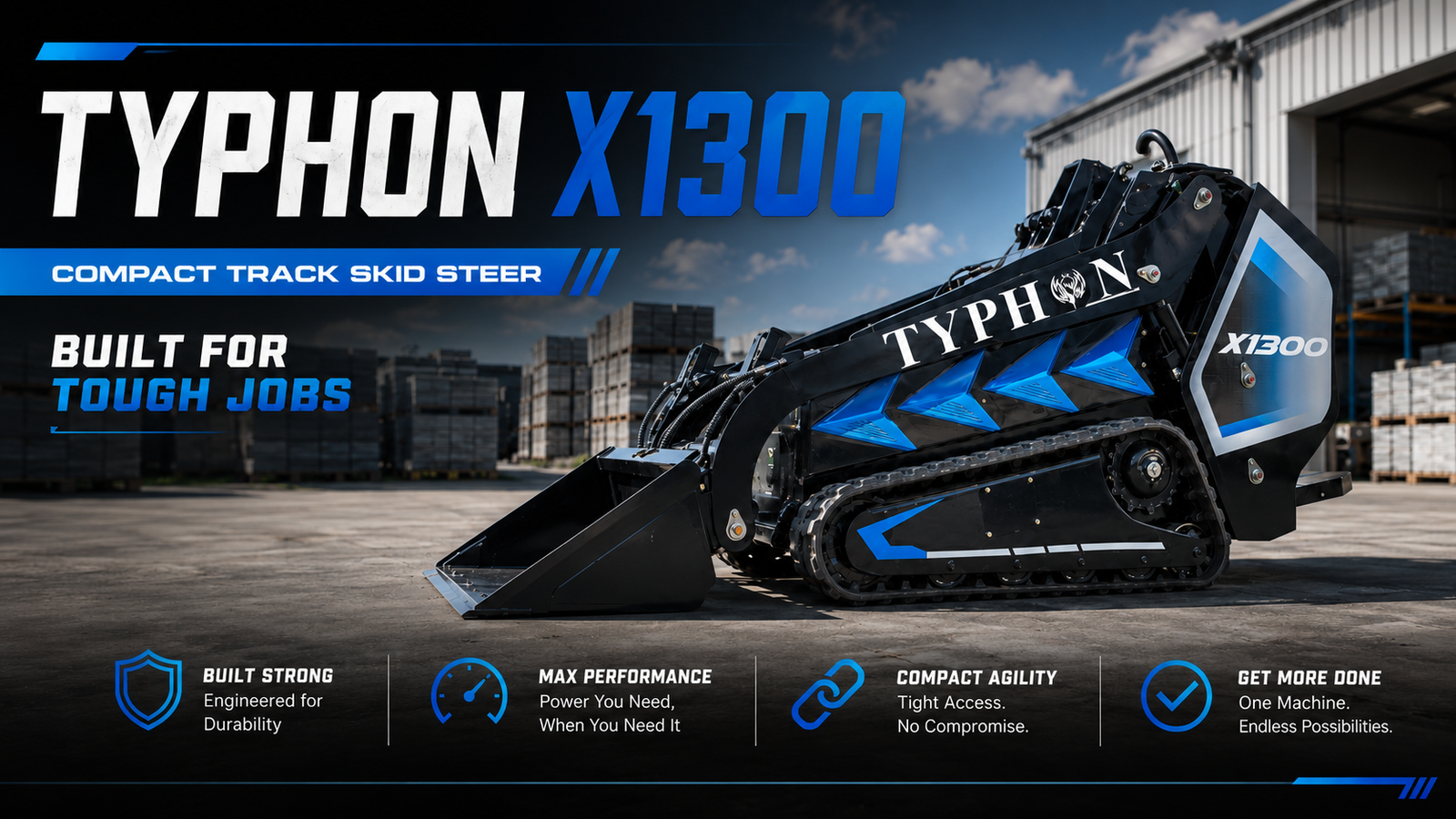
For construction, the right choice depends on the site.
Choose a skid steer if the jobsite is mostly firm, flat, and dry. It is great for loading, cleanup, moving materials, carrying pallets, grading gravel, and working around buildings.
Choose a compact track loader if the jobsite is muddy, uneven, or still being developed. It is better for pushing dirt, working on slopes, grading soft soil, and handling rough ground conditions.
For many small contractors, a skid steer is the better first machine because it is usually more affordable, easier to maintain, and strong enough for many daily jobs.
Which One Is Better for Landscaping?
For landscaping, both machines can be useful.
A skid steer is good for hardscape work, moving pallets, carrying mulch, loading soil, grading driveways, and working on firm ground.
A compact track loader is better for soft lawns, wet soil, grading yards, moving dirt, and reducing ground damage on finished surfaces.
If your landscaping work is mostly on residential yards and soft ground, a compact track loader may be better. If your work is mostly on driveways, gravel, hardscape areas, and material yards, a skid steer may be the smarter choice.
Which One Is Better for Farming?
For farms, a skid steer is often a very practical choice. It can move feed, clean barns, carry hay, load materials, handle pallets, and work around tight farm buildings.
A compact track loader can be better if the farm has muddy areas, loose soil, or rough terrain. But for general daily farm work, many owners prefer skid steers because they are fast, compact, and easier to maintain.
Which One Is Better for Snow Removal?
A skid steer is usually a strong choice for snow removal on parking lots, driveways, paved yards, and sidewalks. Tires can bite into hard surfaces and allow fast movement.
Compact track loaders can also move snow, especially with the right attachment, but tracks are designed more for flotation. On icy or paved surfaces, a wheeled skid steer may feel more responsive.
Which Machine Costs More?
In most cases, a compact track loader costs more than a skid steer. The track undercarriage adds cost, and track maintenance can also be more expensive over time.
A skid steer may be the better value if you work mostly on hard surfaces and do not need the extra traction of tracks.
A compact track loader may be worth the higher cost if soft ground, mud, slopes, or rough terrain are common in your work. If the machine helps you avoid getting stuck and keeps the job moving, the higher price can make sense.
Maintenance Comparison
Skid Steer Maintenance
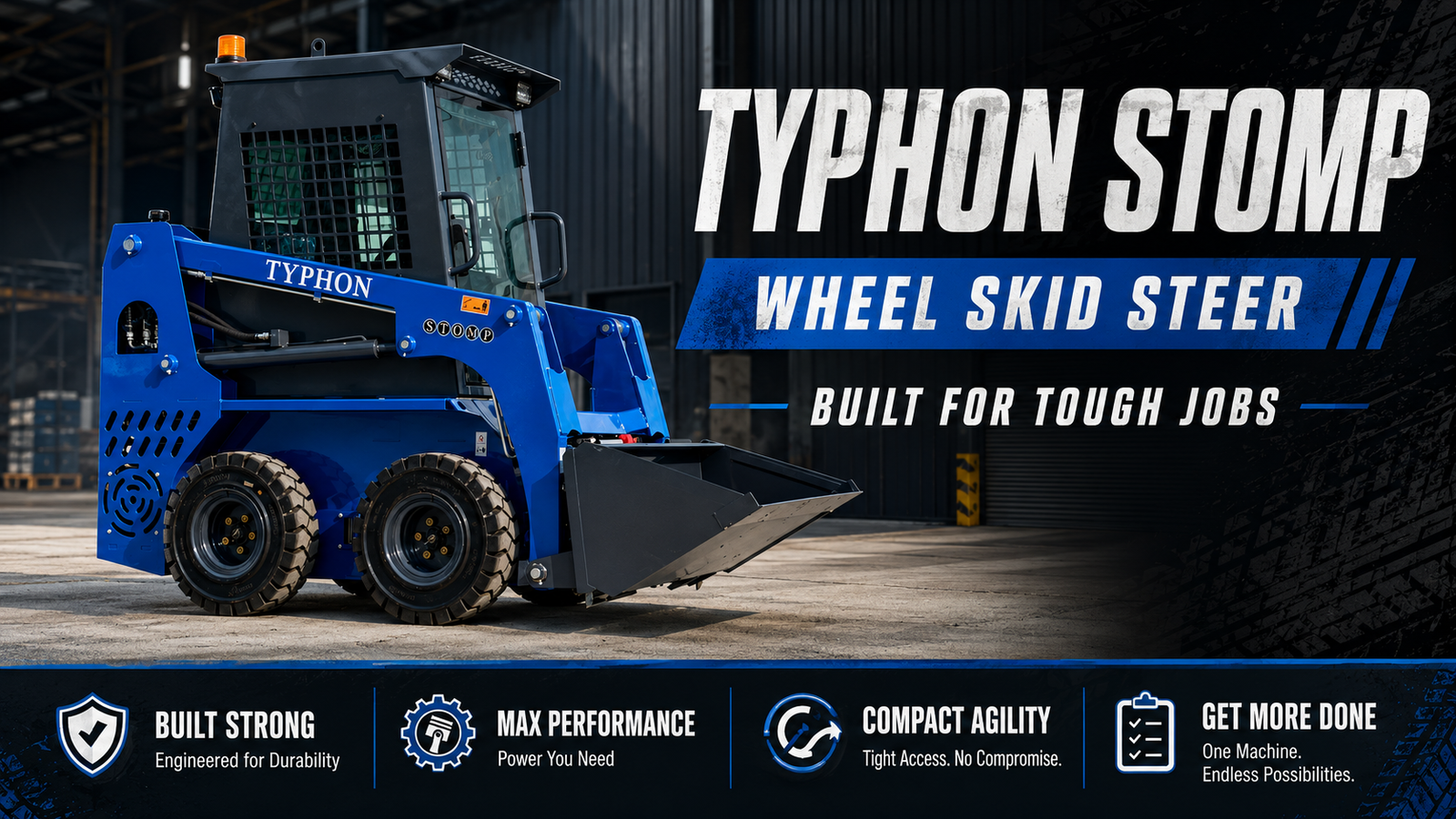
Skid steer maintenance is usually simpler. Main areas to check include:
Tires
Hydraulic oil
Engine oil
Grease points
Filters
Attachments
Battery
Cooling system
Tires are easier and cheaper to replace compared with a full track system.
Compact Track Loader Maintenance
Compact track loaders need extra attention around the undercarriage. Main areas to check include:
Tracks
Rollers
Sprockets
Idlers
Track tension
Mud buildup
Hydraulic system
Engine service points
If you use a compact track loader in mud or dirt every day, cleaning the undercarriage is very important. Mud buildup can increase wear and reduce track life.
Attachment Compatibility
Both skid steers and compact track loaders can use many of the same attachments. This is one of the biggest reasons both machines are popular.
Common attachments include:
General-purpose bucket
4-in-1 bucket
Pallet forks
Auger
Grapple bucket
Brush cutter
Trencher
Hydraulic breaker
Snow blower
Sweeper
Land leveler
Stump grinder
Before buying, always check hydraulic flow, lifting capacity, attachment mount type, and machine weight. Some attachments need more hydraulic power than others.
Standard Flow vs High Flow
Another important buying factor is hydraulic flow.
A standard-flow skid steer or compact track loader is enough for many common attachments like buckets, forks, augers, and basic grapples.
A high-flow machine is better for demanding attachments such as:
Brush cutters
Forestry mulchers
Cold planers
Snow blowers
Heavy trenchers
Hydraulic grinders
If you plan to use high-demand attachments, hydraulic flow should be one of your top buying considerations.
Which One Should Small Contractors Buy?
For many small contractors, a skid steer is the better first choice.
Why?
Because a skid steer is usually:
More affordable
Easier to maintain
Faster on hard ground
Easier to transport
Good with many attachments
Strong enough for daily construction and landscaping work
A compact track loader is better if your jobs are often on soft, muddy, or rough ground.
So if you are a small contractor doing driveways, cleanup, material handling, landscaping, light grading, and general property work, a skid steer can be a smart investment.
Which One Should You Buy in 2026? TYPHON SKID STEER
Buy a skid steer if you want a compact, fast, versatile, and cost-effective machine for hard surfaces and everyday work.
Buy a compact track loader if you need maximum traction, better flotation, and stronger performance on soft, muddy, or uneven terrain.
The best choice is not about which machine is more popular. It is about which machine fits your jobsite.
Before buying, ask yourself these questions:
What surface do I work on most often?
Do I work in mud or soft soil?
Do I need fast travel speed?
Do I need lower maintenance cost?
What attachments will I use?
How often will I transport the machine?
What is my budget?
Do I need standard flow or high flow hydraulics?
If most of your answers point to hard ground, speed, lower cost, and daily versatility, choose a skid steer.
If most of your answers point to mud, slopes, soft terrain, and maximum traction, choose a compact track loader.
Final Verdict
A skid steer and a compact track loader are both powerful machines, but they are built for different working conditions.
A skid steer is best for hard surfaces, faster movement, lower operating cost, easier transport, and general-purpose work.
A compact track loader is best for soft ground, rough terrain, better traction, better flotation, and heavy dirt work.
For many buyers in 2026, the skid steer remains one of the best compact machines for construction, landscaping, farming, and material handling. It is simple, strong, attachment-ready, and cost-effective.
If you need one compact machine for everyday work on firm ground, a skid steer is a smart choice.
If your jobsite is always muddy, sloped, or uneven, a compact track loader may be worth the extra investment.
FAQ
Is a skid steer better than a compact track loader?
A skid steer is better on hard surfaces like concrete, asphalt, gravel, and dry dirt. A compact track loader is better on mud, soft soil, sand, slopes, and rough terrain.
Is a compact track loader more expensive than a skid steer?
Usually, yes. Compact track loaders often cost more upfront and can have higher undercarriage maintenance costs.
Can a skid steer use the same attachments as a compact track loader?
In many cases, yes. Both machines can use buckets, forks, augers, grapples, trenchers, brush cutters, and many other attachments. Always check hydraulic flow and attachment compatibility before use.
Which machine is better for landscaping?
A skid steer is better for hardscape, driveways, gravel, and material handling. A compact track loader is better for soft lawns, wet soil, grading, and reducing ground damage.
Which machine is better for small contractors?
A skid steer is often better for small contractors because it is usually more affordable, easier to maintain, faster on hard ground, and highly versatile with attachments.
Which one should I buy for farming?
For general farm work, a skid steer is usually a practical choice. It can move feed, clean barns, carry materials, and work in tight spaces. A compact track loader is better if your farm has muddy or soft ground conditions.
