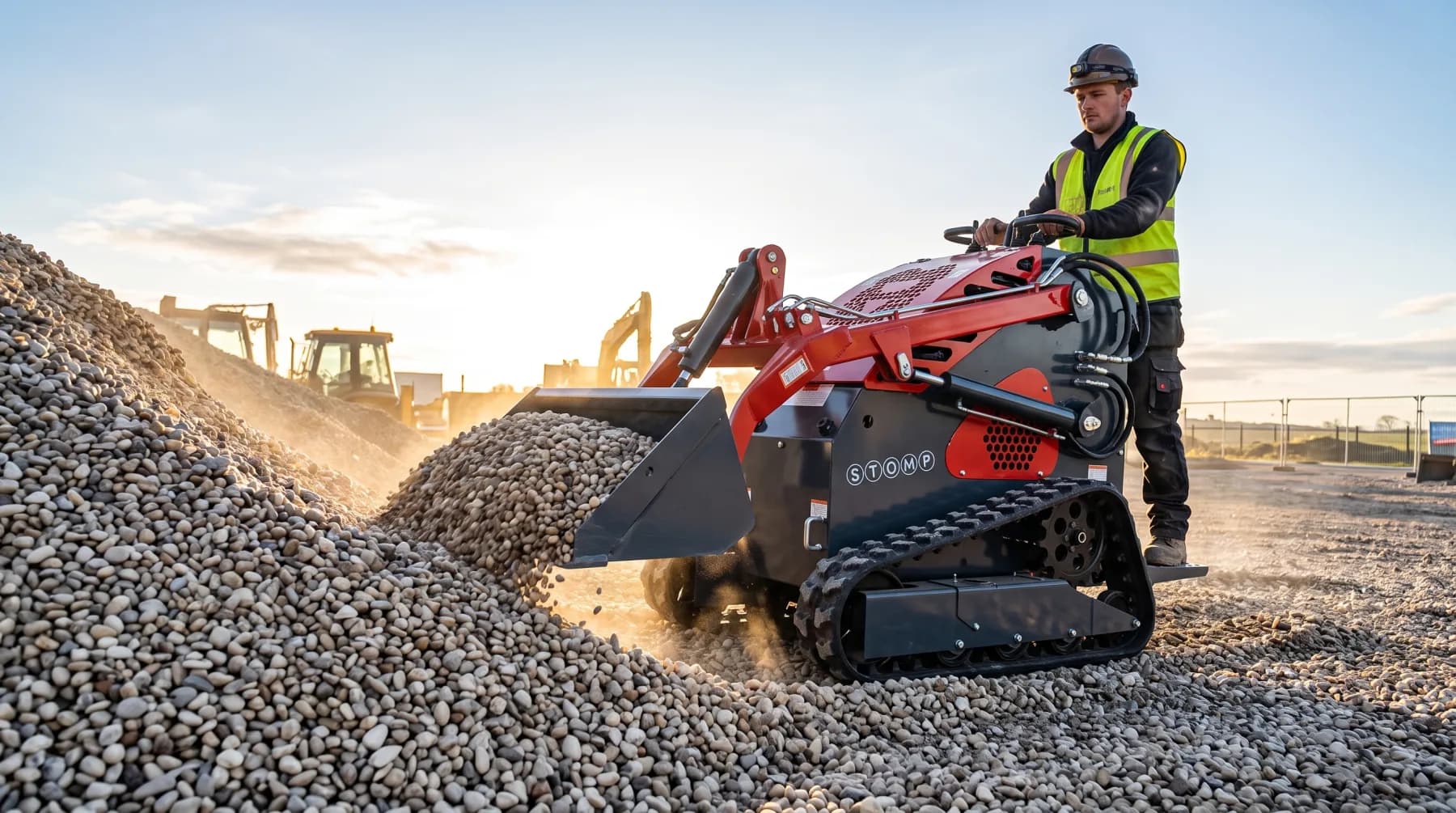
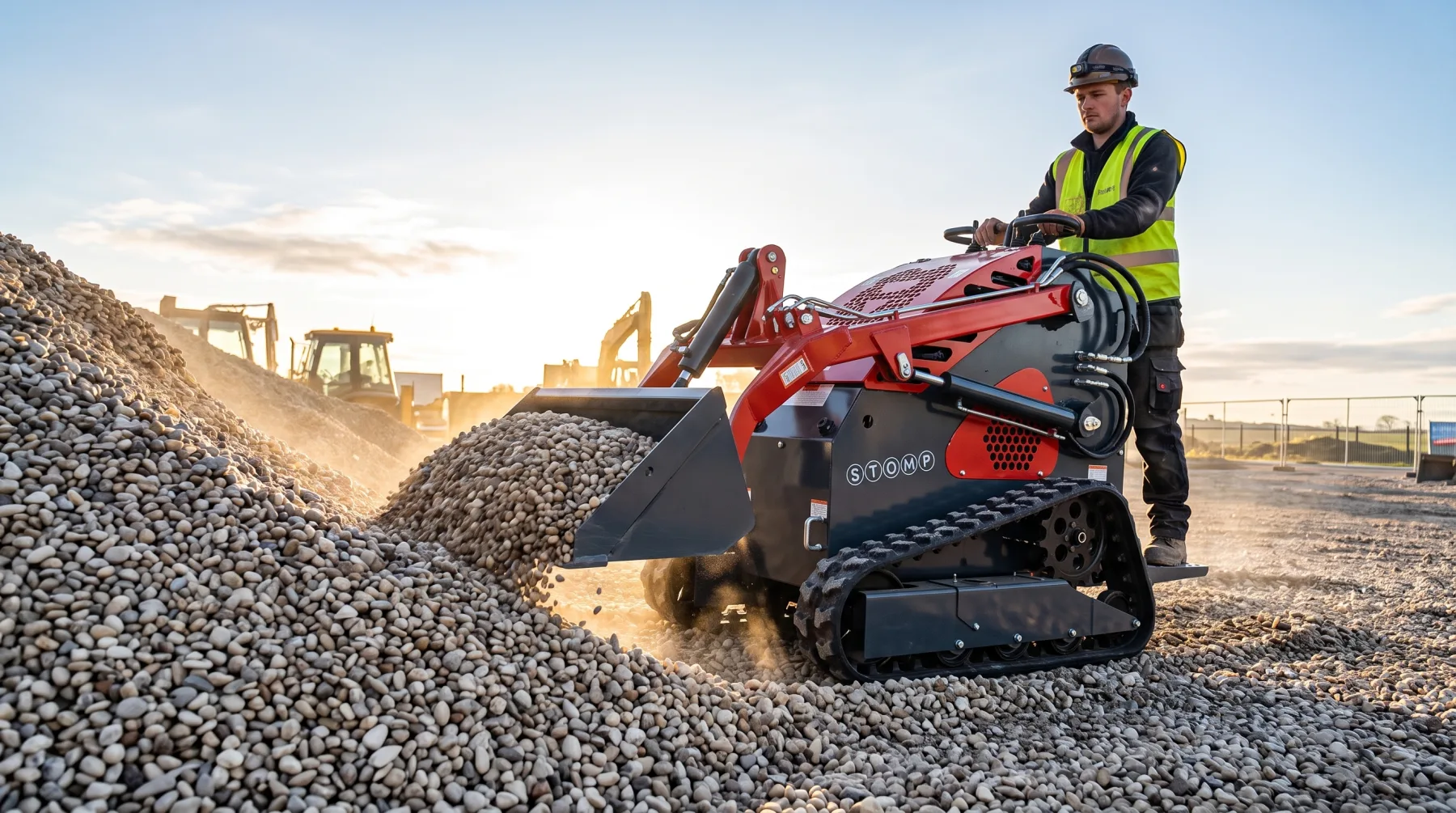
A skid steer bucket can look simple from the outside, but the shape underneath controls how efficiently every scoop happens. When the bucket enters a pile of gravel, soil, or other material, the floor determines whether that material flows smoothly inside or pushes back against the machine. If the design works against the material, operators often see extra tire spin, slower loading, and buckets that never reach their full capacity.
The bucket floor is one of the most important but overlooked parts of the attachment. Its angle, curvature, and transition from the cutting edge influence how material travels into the bucket and settles during loading. A properly designed floor helps the skid steer gather more material with less resistance, while a poor design can increase effort and reduce productivity with every cycle.
This article explores how skid steer bucket floor design affects loading performance, why floor shape changes material flow, how different designs suit specific applications, and how the floor works with the cutting edge to improve penetration and fill. Understanding these factors helps operators choose a bucket that loads faster, carries more, and makes better use of the machine’s available power.
What Bucket Floor Design Is and Why It Matters
The bucket floor plays a major role in how efficiently material enters, moves, and stays inside the bucket. It is more than a simple base that carries the load; it is the surface that contacts the material first and directs the flow during the digging cycle. Its curvature and design influence how easily the bucket fills and how much material it can retain.
A properly designed floor reduces resistance during penetration and helps the loader use its power more effectively. When the shape matches the material and application, the bucket fills faster, carries more securely, and reduces unnecessary strain on the machine.
The Floor Is the First Point of Contact
The bucket floor, along with the cutting edge at its front, is what enters the material and starts the fill. As you drive forward, the floor slides under the pile and lifts material up and back into the bucket. Its angle, curve, and length determine whether that material flows in smoothly or bunches up and resists.
Think of the floor as a ramp built into the bucket. A ramp shaped to roll material inward fills the bucket with the machine's forward motion. A poorly shaped one acts more like a wall, pushing the pile ahead instead of drawing it in, so you burn energy shoving material around rather than loading it.
Why Filling Efficiency Hits Your Bottom Line
A bucket that fills easily changes the economics of every cycle. When the floor does its job, you load a full bucket in one clean pass with less throttle, less tire spin, and less strain on the drivetrain. Multiply that across a full shift, and the savings in fuel, time, and wear add up fast.
Poor filling drains all of that quietly. A bucket that won't load fully forces extra passes to move the same material, and each pass burns fuel and clocks hours on the machine. Spinning tires against a stubborn pile wears tires and stresses the hydraulics. The floor shape you overlook at purchase shows up on your fuel bill and your maintenance schedule for years.
Takeaway: The bucket floor is the working surface that meets the pile first and guides material in, so its design directly sets how easily and completely the bucket fills.
How Floor Angle and Curve Affect Material Entry
The heart of good floor design is how it manages material as it enters. Two features do most of that work: the angle the floor presents to the pile and the curve that carries material back once it's inside. Get these right, and filling feels almost effortless.
The floor angle helps the cutting edge approach the material at the right position, reducing resistance and allowing the bucket to penetrate more smoothly. Once material enters, the floor curve guides it toward the back of the bucket, creating a better load balance and improving overall fill performance. Together, these features reduce wasted effort and help operators complete more efficient loading cycles.
Attack Angle at the Pile
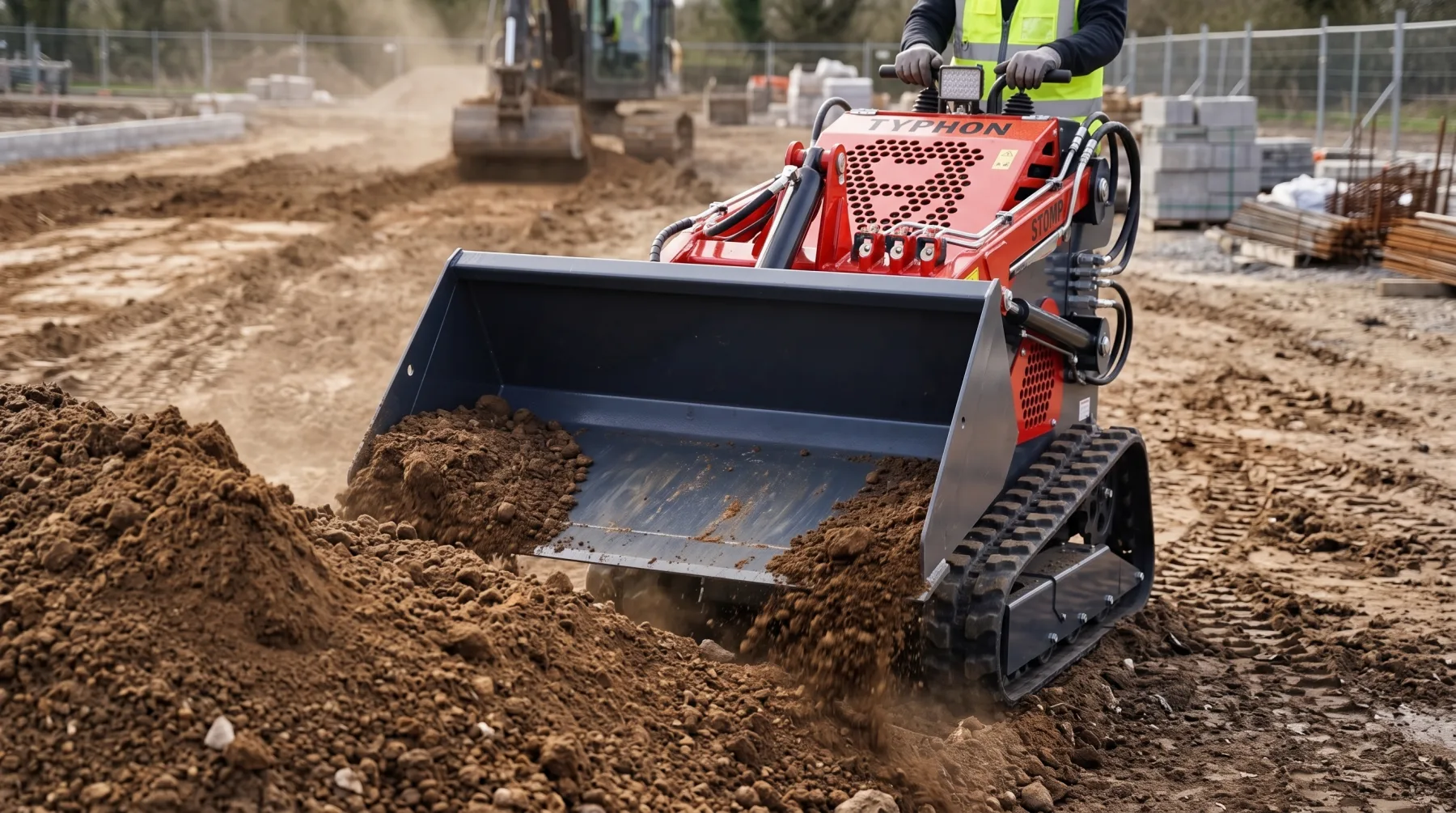
The angle the floor and cutting edge present to the material, often called the attack angle, decides how easily the bucket penetrates the pile. A floor angled to slice cleanly into the material enters with less resistance, so the machine's forward force goes into loading rather than fighting the pile. Too steep or too flat an angle, and the bucket either digs in and stalls or rides up and over the material.
Getting the entry angle right is what separates a bucket that bites and fills from one that plows. When the floor meets the pile at an efficient angle, you feel the difference immediately: the machine pulls the load in smoothly instead of bogging down and spinning. That clean entry is the foundation of a full scoop.
Floor Curve and the Roll-Back Motion
Once material is over the cutting edge, the curve of the floor takes over. A well-curved floor rolls material up and back toward the rear of the bucket in a continuous motion, packing it in and making room for more at the front. This roll-back action is what lets a bucket keep filling as you drive forward rather than jamming at the lip.
A flatter floor lacks that guiding curve, so material tends to slide straight back and pile up without rolling, leaving air pockets and a partial load. The curve essentially does mechanical work for you, using the bucket's shape to move material where it needs to go. The better the curve suits your material, the more the bucket fills itself.
Floor Length and Leverage
The length of the floor from cutting edge to rear wall also shapes filling. A longer floor gives material more distance to roll back and settle, which helps build a full, even load in loose material. A shorter floor fills a smaller pocket faster but holds less and can jam sooner in high-volume scooping.
Floor length ties into how the bucket balances on the machine, too. A floor sized right for the loader keeps the load close and controllable, while an overly long floor can put material far forward and strain the machine's lift. Matching floor length to your work keeps filling efficiently without overloading the front end.
Takeaway: An efficient attack angle lets the bucket bite the pile cleanly, while the floor's curve rolls material back to pack the load, so angle and curve together decide how smoothly the bucket fills.
Types of Skid Steer Bucket Floor Designs
Not all bucket floors are shaped alike, and each design leans toward a different priority. Understanding the main types helps you see why one bucket loads loose sand beautifully while another is built to scrape a hard surface clean. Match the design to your work, and filling improves on its own.
Different bucket floors are designed for different materials and tasks. Some improve smooth loading for loose materials, while others provide more strength for tough surfaces. Matching the floor design to the job helps the bucket fill faster and work more efficiently.
Flat Floor Designs
Flat-floor buckets keep the bottom largely straight from the cutting edge back, which favors clean scraping and grading over aggressive filling. The flat surface lets you shave and level a hard surface, push material, and back-drag smoothly, making these buckets popular for site prep and finish grading. They penetrate and empty predictably.
The trade-off is filling. Without a pronounced curve to roll material back, a flat floor relies more on the operator to build a load, and it can leave a bucket partly full in loose, high-volume material. For work that's more about moving and leveling than heaping big scoops, though, that straightforward shape is exactly right.
Curved Floor Designs
Curved-floor buckets carry a rounded profile that guides material up and back as the bucket moves forward. That curve is what makes these buckets fill so readily in loose material, using the roll-back motion to pack the load with the machine's forward drive. For scooping dirt, sand, gravel, and aggregate, a curved floor loads fuller with less effort.
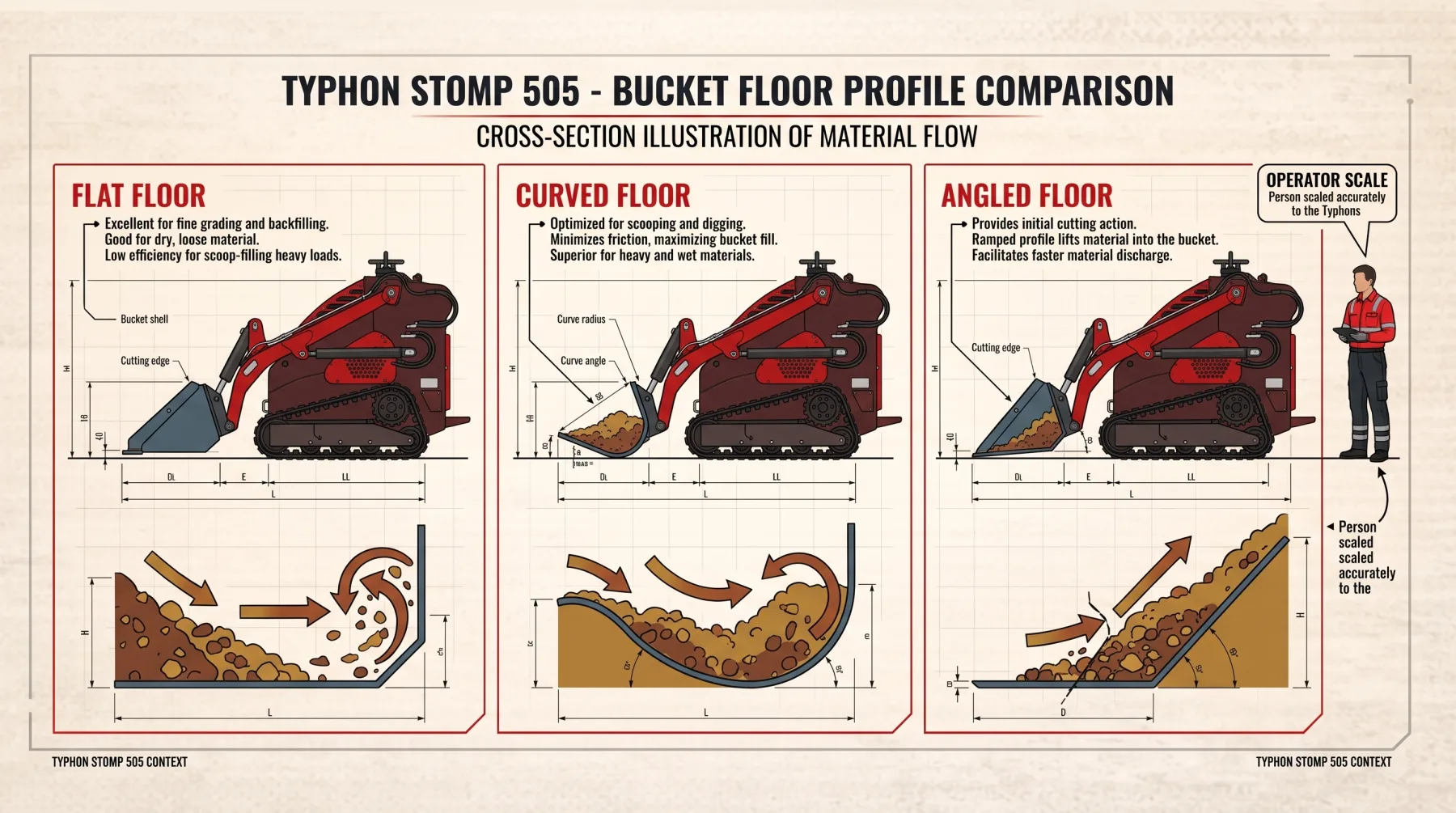
The curve does cost you a little in clean scraping and grading, since a rounded floor won't shave a hard surface as flat as a straight one. But for operations focused on loading and moving material rather than fine grading, that filling advantage is well worth the trade. The bucket does more of the work for you.
Angled and Hybrid Floor Designs
Some floors combine features, using an angled entry section that transitions into a curve, aiming to balance easy penetration with strong roll-back. These hybrid designs try to give you clean entry into the pile and a filling curve in one bucket, serving operations that both dig and load across varied material.
Angled designs can also tune how aggressively the bucket bites versus how gently it fills. A more aggressive angle suits harder or more compacted material that needs penetration, while a gentler transition favors loose material that flows in easily. The right hybrid balances your penetration and filling needs rather than maximizing either alone.
Takeaway: Flat floors favor scraping and grading, curved floors fill loose material readily through roll-back, and angled or hybrid floors balance penetration with filling, so the design you choose should follow the work you do most.
How Cutting Edge Integration Improves Penetration
The floor doesn't work alone at the pile. The cutting edge at its leading edge does the first work of penetration, and how well that edge integrates with the floor decides how cleanly the bucket enters and starts filling. This partnership is easy to overlook and central to good performance.
The cutting edge and bucket floor work together to control how easily the bucket enters the material. A well-matched design improves penetration, reduces resistance, and helps material flow smoothly into the bucket for better filling performance.
The Edge and Floor as One Working Surface
The cutting edge is the front of the floor, and the two should function as a single, continuous surface that slices into the pile and guides material up. When the edge meets the floor cleanly, material flows over the edge and onto the floor without catching or bunching, so the fill starts smoothly the instant the bucket enters.
A poorly integrated edge, one that sits at a bad angle or creates a lip where material snags, disrupts that flow right at the critical entry point. Material stalls at the edge instead of rolling in, and the bucket fights the pile. A smooth transition from edge to floor is what lets the machine's forward motion translate straight into a filling bucket.
Bolt-On Edges, Teeth, and Penetration
Many buckets use a bolt-on cutting edge or add teeth to improve penetration in tougher material. A straight bolt-on edge suits scraping and loading loose material cleanly, while teeth concentrate force at points to break into hard, compacted, or chunky ground the floor alone couldn't penetrate. Matching the edge to your material helps the floor do its job.
The edge also protects the floor from wear. As the leading surface, it takes the abrasion first, and replacing a worn bolt-on edge is far cheaper than repairing a worn-through floor. Keeping the edge in good shape maintains clean penetration and preserves the floor behind it, so both filling and bucket life benefit.
Takeaway: The cutting edge and floor act as one working surface, so a clean, well-matched edge lets material flow smoothly onto the floor and protects it, keeping penetration and filling sharp.
Conclusion
A skid steer bucket floor plays a major role in how effectively the machine enters a pile, gathers material, and carries a full load. The attack angle controls how smoothly the bucket penetrates, while the floor curve helps guide material upward and backward for better load retention. Different floor designs serve different purposes: flatter profiles support grading and scraping, curved floors improve loading efficiency for loose materials, and hybrid designs provide a balance between digging and carrying performance. When the bucket shape matches the application, operators can improve fill rates and reduce wasted cycles.
Efficient loading starts with selecting a bucket design that fits the material and the skid steer’s capabilities. Factors such as material density, stickiness, particle size, cutting edge condition, and bucket capacity all influence how well the machine performs. By choosing the right floor design and maintaining proper cutting edge condition, operators can achieve more consistent loads, reduce strain on the machine, and move material faster with fewer passes.
Frequently Asked Questions
Can I improve skid steer bucket filling without replacing the bucket?
Yes, to a point. A sharp cutting edge, proper teeth, and better operating technique can improve penetration and filling performance. However, they cannot change the bucket’s basic floor design, so a mismatched profile may still limit productivity.
Why does my bucket ride up over the pile instead of digging in?
This usually happens when the attack angle is too flat or the cutting edge is worn. Adjusting the bucket angle, using steady forward force, and maintaining a sharp edge can improve penetration and help the bucket fill properly.
How do I know if my bucket floor design is wrong for my material?
Signs include poor filling, excessive tire spin, light loads, or material sticking inside during dumping. The right floor design should match the material, helping the bucket penetrate, retain, and release loads efficiently.